Food brands invest a great deal of time and money in understanding what consumers want. Those insights form the foundation of their products, services and menus. At the same time, consumers are telling brands what they want every day on social media. They share recipes, create menu hacks and constantly provide feedback on what’s on offer. For social-first brands, social is therefore much more than a communication channel. It is an ecosystem where they engage in dialogue with their audience and gain valuable insights into consumers and the wider market.
What if your next product wasn’t developed during an expensive workshop, but by a customer on TikTok? For many brands, this is already a reality. Consumers are no longer waiting for brands to ask what they think about a product. They talk about it, make it their own, combine it with other products and share all kinds of relevant suggestions on social media.
Consumer behaviour on social media generates signals about what people enjoy, but also about what they are missing, what frustrates them and what they may want to buy tomorrow.
Real-time insights
For a long time, marketing largely worked in one direction. A brand developed a product, created a marketing campaign and then selected the channels that would help its message reach as many people as possible. Social media often only came into play at the very end, as an additional channel for distributing the campaign.
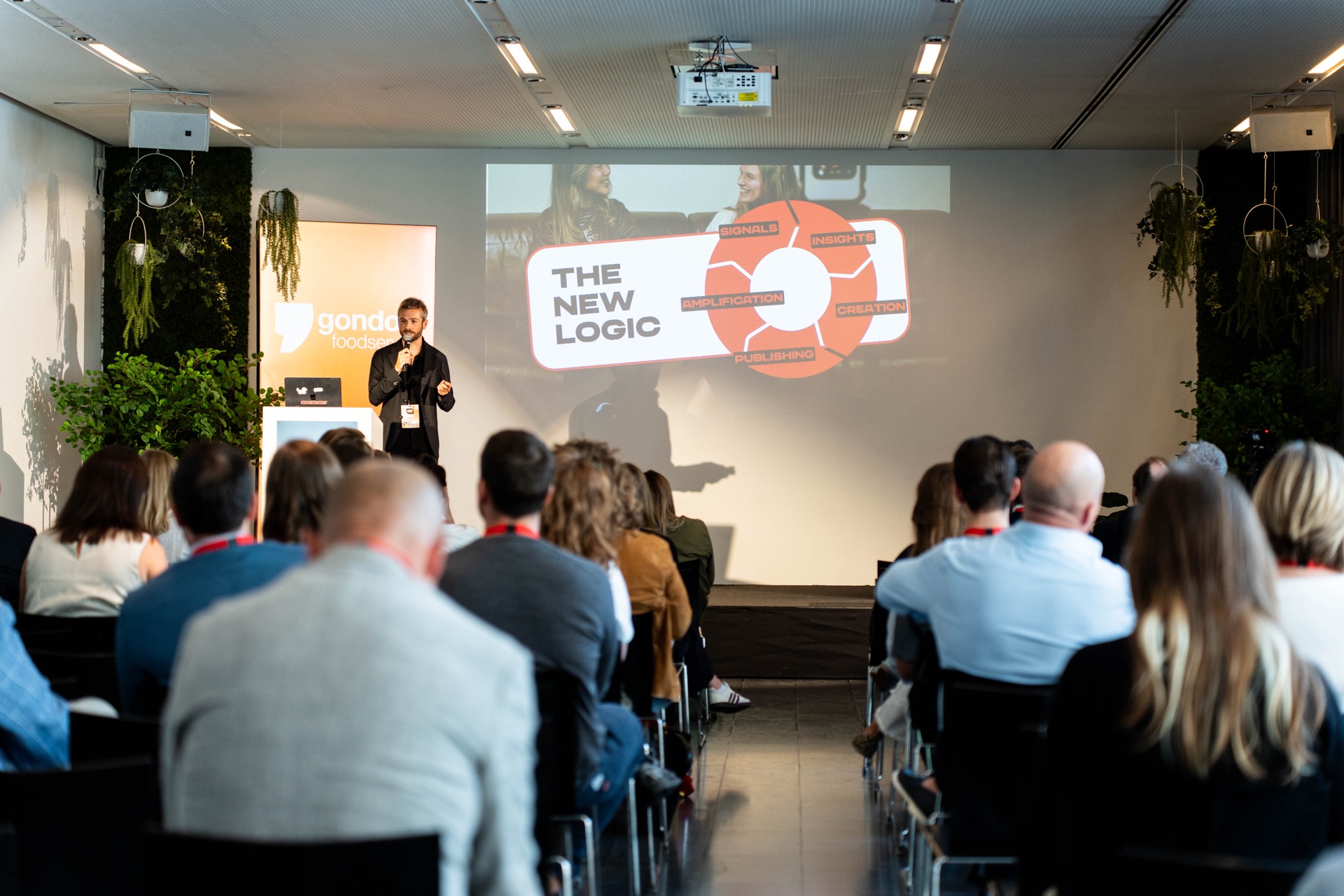
Social-first brands reverse that logic. Not because TikTok, Instagram or YouTube have suddenly become more important than other marketing channels, but because social is where brands can continuously observe how consumers respond and how culture is changing.
A consumer sharing their own way of preparing a product is a signal. A creator combining two products is another. So is a recurring complaint, a discontinued product people are still talking about years later or an ingredient that suddenly appears in hundreds of recipes. Brands that only look at sales figures and traditional market research often only see what has changed in hindsight. On social, they can see it happening in real time.
A source of innovation
It all starts with careful observation. It is not enough to count how often your brand is mentioned. You also need to observe what people actually do with your products. Which questions keep coming up? What are they missing? Which recipes are they sharing? What problems are they running into?
This is how your community can become a source of innovation. Not every idea deserves to become a product launch, but relevant patterns can provide the starting point for research, a test or a temporary activation. By giving people credit for their contribution, you also build a stronger bond with your audience and make them feel heard and valued.
But you can also start with the product innovation itself and test it with small groups from your community. For example, you could A/B test two new packaging designs to see which one has the most potential before bringing it to market.
The same applies to influencers and creators. If you only use them to promote your products, you are missing out on a large part of their value. By involving them from the very start of the marketing process, you gain a better understanding of your audience’s culture and can test ideas more quickly.
And it goes beyond marketing. To truly respond to consumers’ real-time expectations, brands also need to take a close look at their R&D processes. How can they become more responsive and agile? Could expensive consumer panels be complemented, or even partially replaced, by social insights? Can creators’ knowledge of their audiences help brands develop better products? And once products have launched, can they be optimised more quickly and precisely based on social feedback?
Making other marketing channels smarter
That does not mean the rest of the marketing mix becomes less important. Sampling can do something TikTok cannot: let people actually taste a product. Events such as festivals create opportunities for human connection and unique brand experiences. And PR and partnerships can add credibility and reach.
Social does not replace these channels, but it can make them smarter. Imagine this: a food brand wants to launch a new range at a music festival. With a social-first approach, it does not have to start from scratch. It already knows which flavours are generating conversation and which products are gaining traction. That is valuable input when deciding what to let festivalgoers taste and which creators to invite.
The feedback loop continues throughout the festival. One of the new flavours may be photographed and shared far more often than the others. That is a signal that can inform decisions about the range, as well as what the brand does next on social.
The same applies to other media. A product benefit that resonates strongly on social can provide valuable input for retail communications or a broader campaign. The marketing mix therefore becomes more than a collection of separate channels. It becomes a continuous feedback loop between brand and consumer.
Start with the conversation
Social-first marketing does not mean that food brands need to start producing huge volumes of content straight away. You can start small. Focus on engaging in conversation with your audience. Respond to their comments. Listen to what they are saying and doing, and act on it. Try new things and actively ask for feedback.
What matters is that social media becomes a central part of the way your organisation operates. Valuable insights should not remain stuck within the social team without leading to action. To drive real business growth, brand managers, product development, sales and operations all need to be actively involved.
Need help? Bring in a social-first agency. socialsky pioneered social-first marketing in Belgium and helps brands such as STËLZ, O’Tacos, Prego, Rambo and Nutella.
This article first appeared in Gondola Magazine.
.png)